

A Journey of Belonging

From Loyalist Settlers to Modern-Day Newcomers

Discover the rich tapestry of Jewish immigration to Saint John, a story that begins with Loyalist settlers like David Gabel in 1783 and spans centuries of resilience, growth, and community building. Learn how Jewish families, fleeing persecution in Eastern Europe, found refuge in the 19th century and how survivors of the Holocaust rebuilt their lives in this vibrant port city. Trace the evolution of Saint John’s Jewish community into the 21st century, where modern initiatives have welcomed new immigrants from Israel, fostering a renewed sense of connection and vitality. Through photographs, personal stories, and historical links, this exhibit offers a profound look at the enduring spirit of Saint John’s Jewish population.

David Gabel (1733-1816)

David Gabel (1733-1816) was among about 15,000 Loyalists who arrived in Saint John after the American Revolution, landing in 1783 with his wife, Catherina and their four children, Eve, John, David and Margaret. 

Their youngest child, Elizabeth, was born in New Brunswick.  

Although there is no evidence that he practiced Judaism, David listed himself as “Hebrew” on the ship’s manifest. 

He opened a bakery and butcher shop on the corner of King Square North and Sydney Street, across the street from the present-day gate to the Old Burial Ground.  

The family lived in the upper floor. Descendants of his daughter, Eve, still live in New Brunswick. 
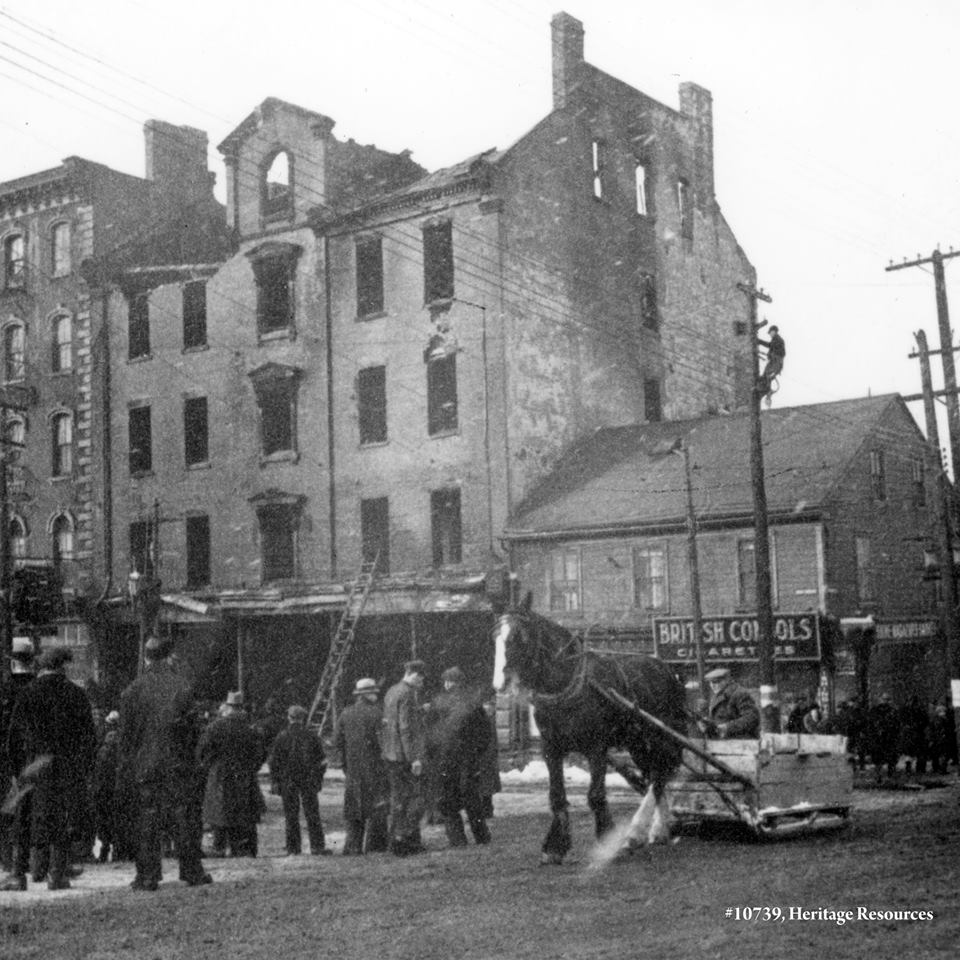
photograph credit to Heritage Resources, Saint John, NB
The First Jewish Settlers in Saint John
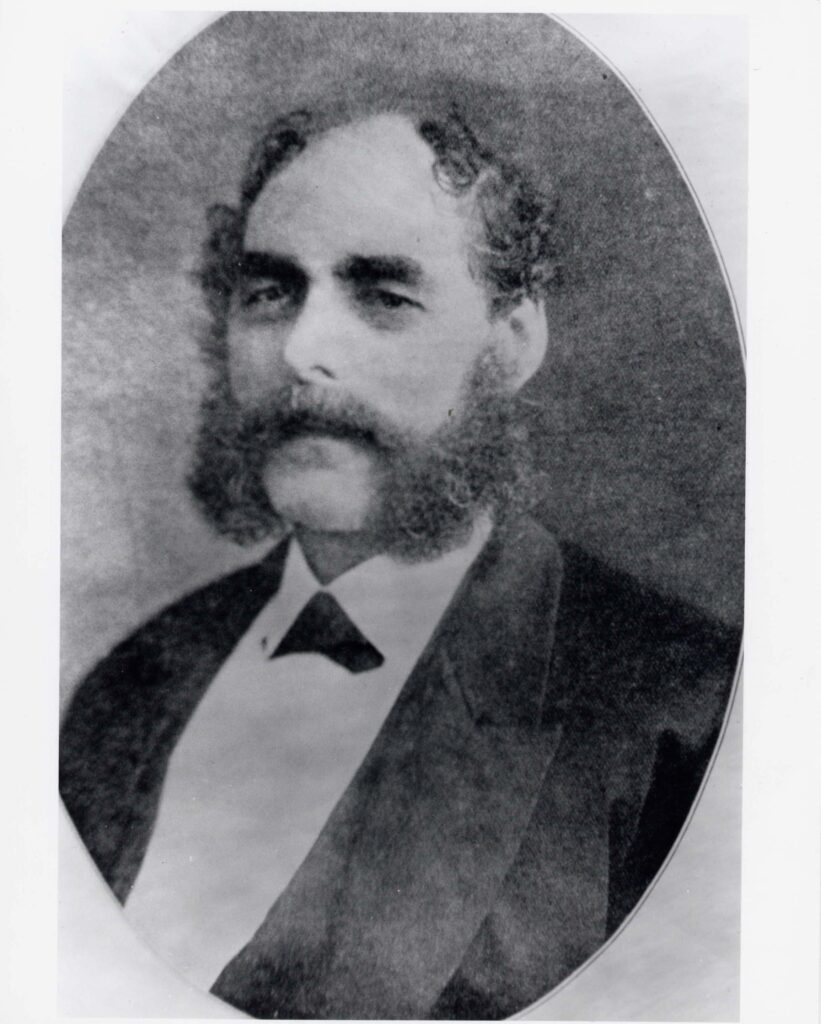
Solomon Hart
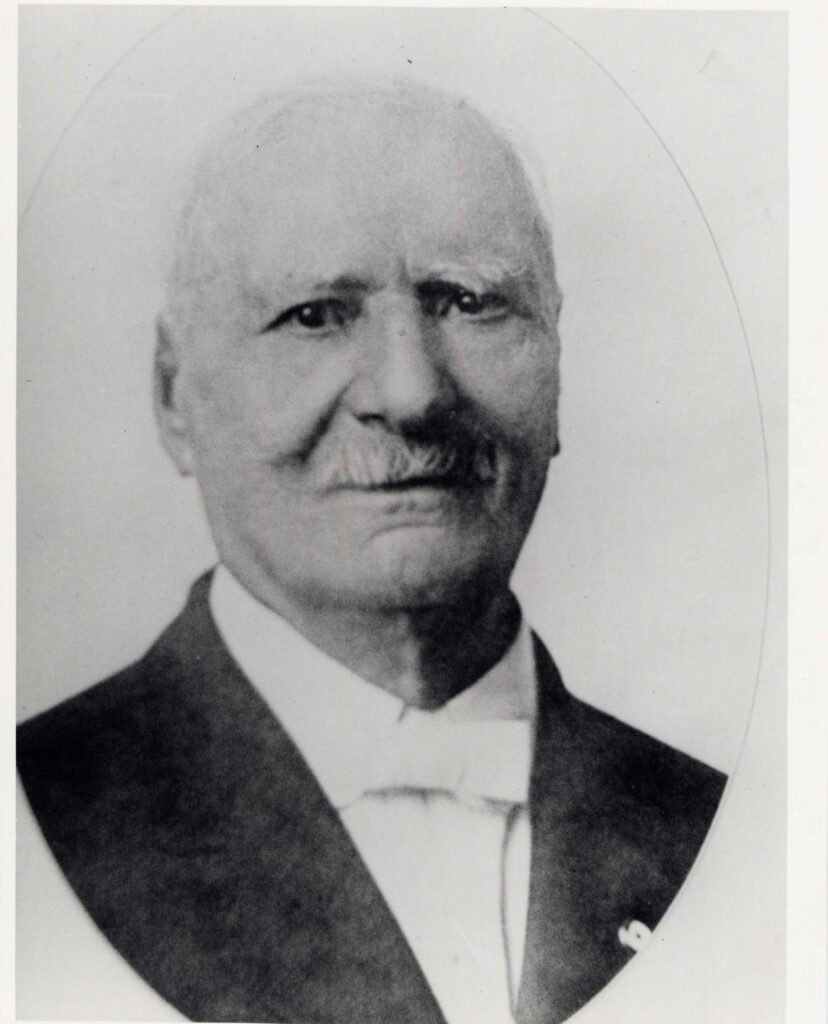
Nathan Green
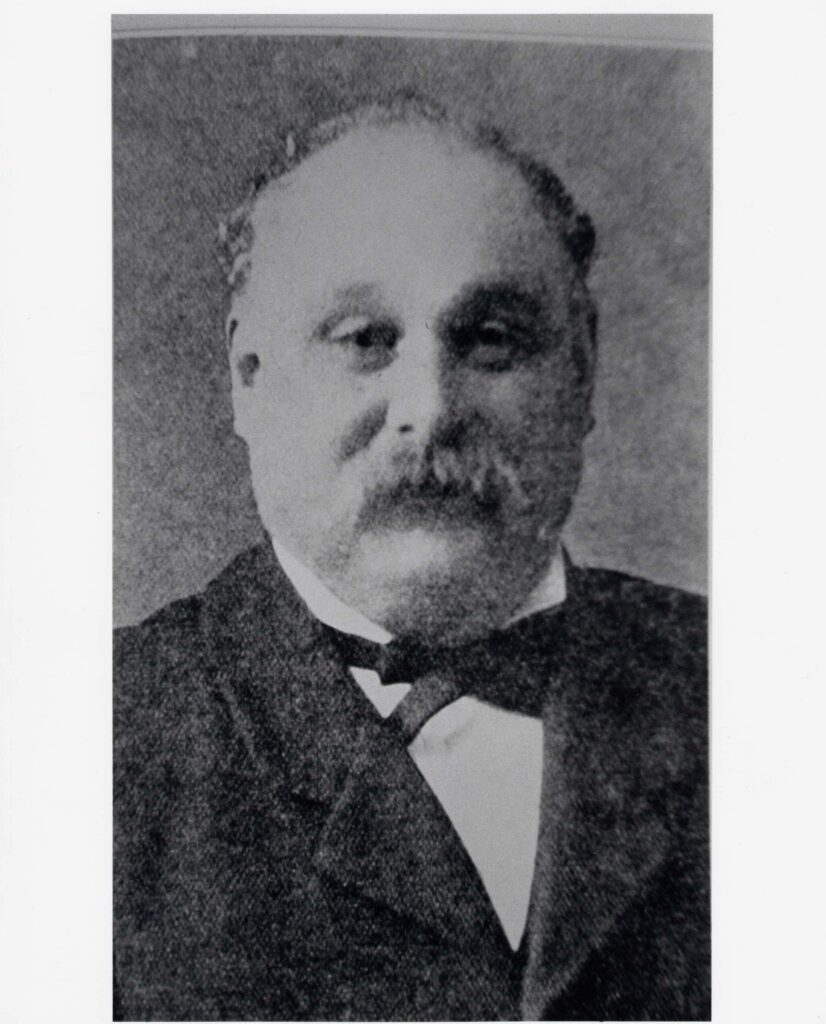
Abraham Isaacs
photographs credit to Arthur Daniel Hart, The Jew in Canada (Toronto, 1926)

The first permanent Jewish settlers in Saint John came from London, England by way of New York. At the time Solomon and Alice Hart and their children arrived in the city in 1858, this was one of the most important ports in British North America. They were followed the next year by Nathan and Jane Green and their children and by Henry Levy. All of these men were related by marriage. It was another eleven years before brothers, Abraham and Israel Isaacs joined them and later married two of the Hart daughters. All were engaged in the cigar business with shops and factories throughout the city. These families were affluent by the standards of the day and were readily accepted in Saint John society.

Eastern European Jewish Immigration to Saint John

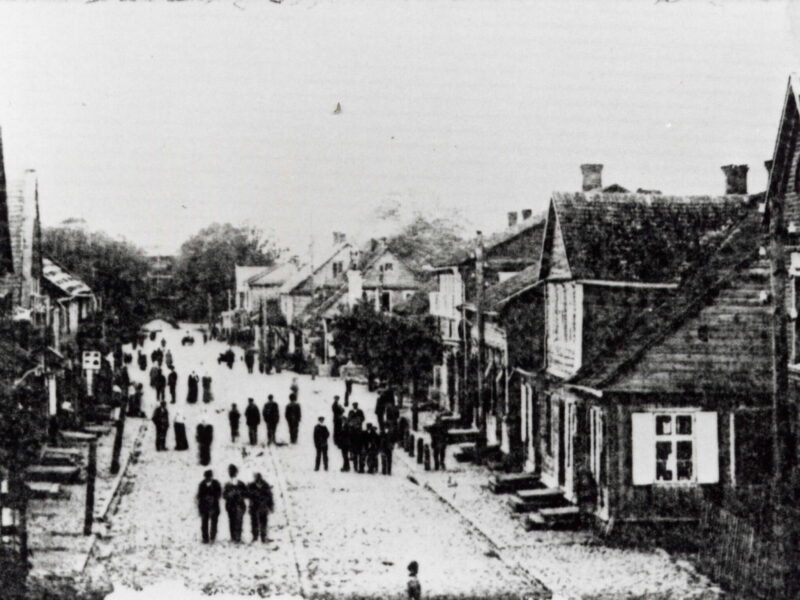
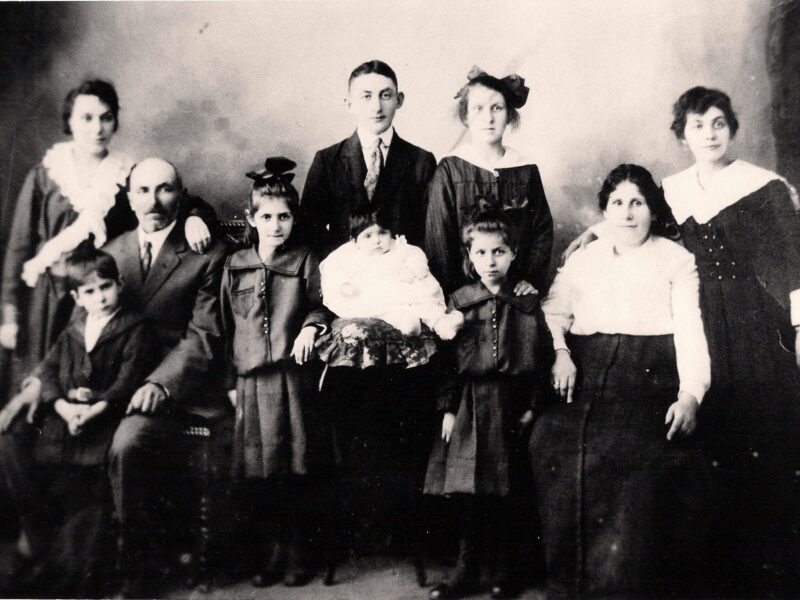
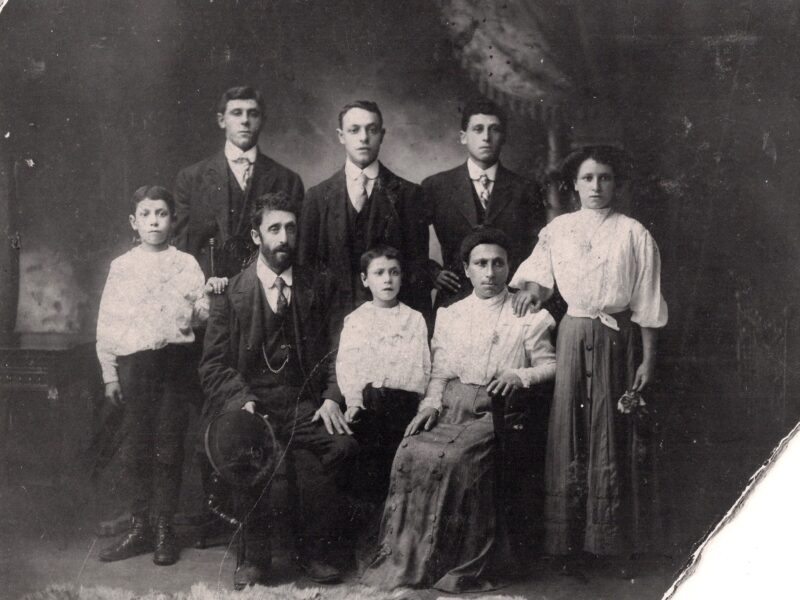
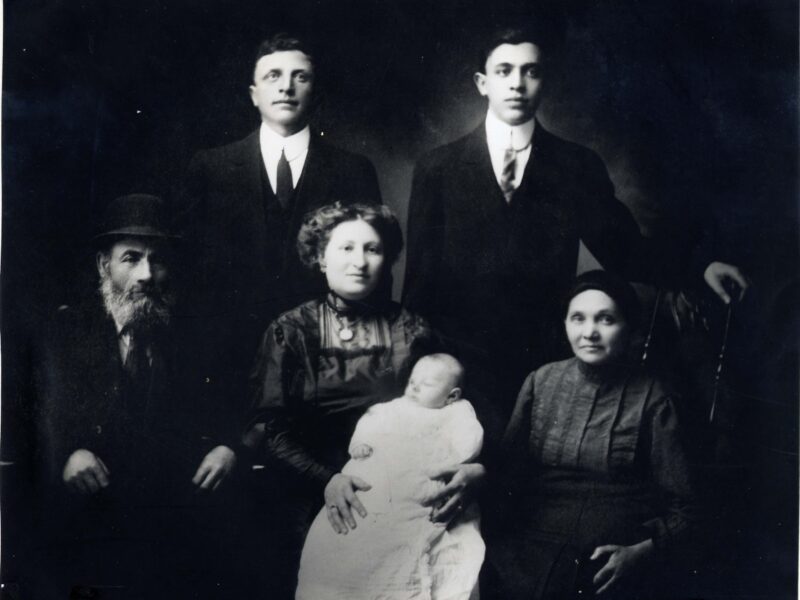
In the final decades of the 19th century, Jews in Eastern Europe were the victims of persecution sanctioned by the Czar of the Russian Empire who decreed that Jews would be eliminated from the Empire through death or migration. Most Jews suffered from poverty and the men were conscripted for twenty-five-year terms into the Russian army. Many thousands of these Jews made their way to North America and many of them landed in Saint John which was one of two Canadian ports open to shipping through the winter months.  


The existing Jewish community made them welcome with lodging, food, and jobs. Soon these men were sending for other family members – wives, children, parents, and siblings. They began their lives here as peddlers and then became store owners with most businesses appearing near their homes along Main Street in the city’s North End. Over time some of these merchants moved into the uptown area. These families came to form the majority of Jewish residents and heavily influenced the texture of Jewish life in Saint John. 

Dorbian, Lithuania
Columbus family
Garson Family
Perchanok Family
Holocaust Survivors in Saint John
Exhibit Sponsored by the Dr. Walter and Mrs. Ilse Fisher Holocaust Education Fund, established by Renate Fisher Chernoff and the Chernoff Family, January 2025

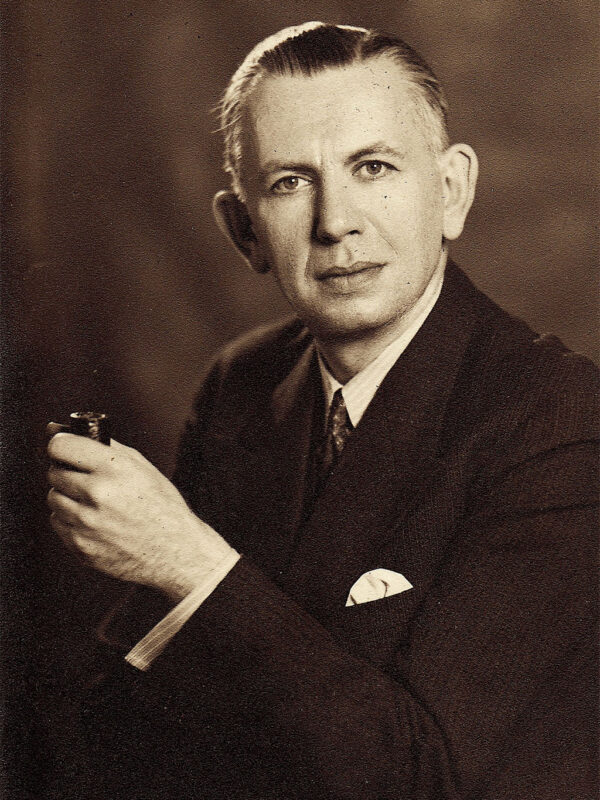
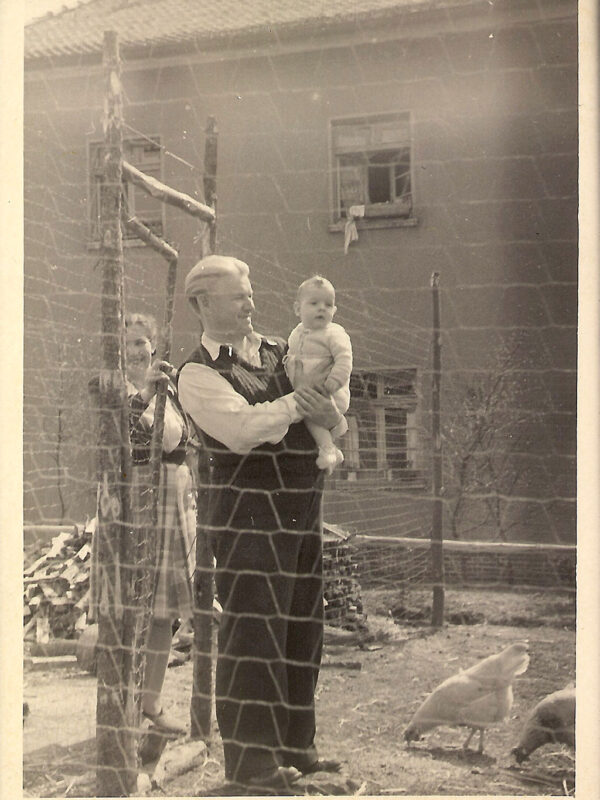
In the 1940s, a small number of individuals and families, who were survivors of the Holocaust arrived in the city. A few were fortunate to escaped the growing persecution in Germany in the 1930s and arrived before the outbreak of the war. Three men experienced the war as enemy aliens who were interned in camps in Canada. Those who came after 1947 had survived the ghettoes, labour camps and extermination camps built by the Nazis across Poland and Russia. Although some survivors spent only a few years in Saint John, they were able to rebuild their lives. Their stories still resonate today. 

Dr. Walter Fisher
Albert, Rose and Sidney Featherman
A New Chapter: Revitalizing Saint John's Jewish Community

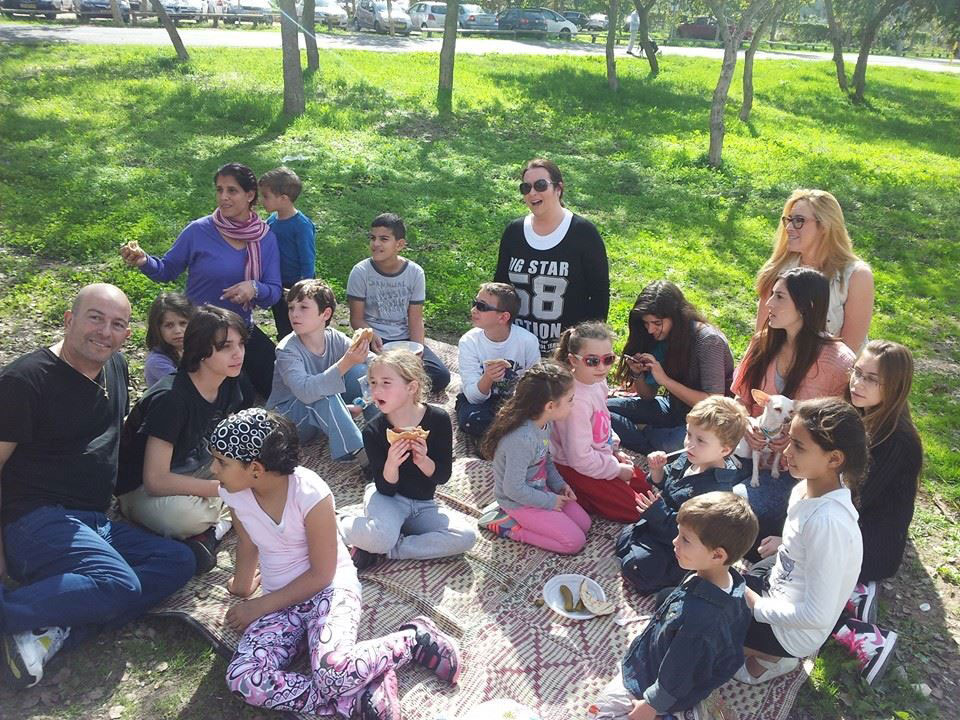
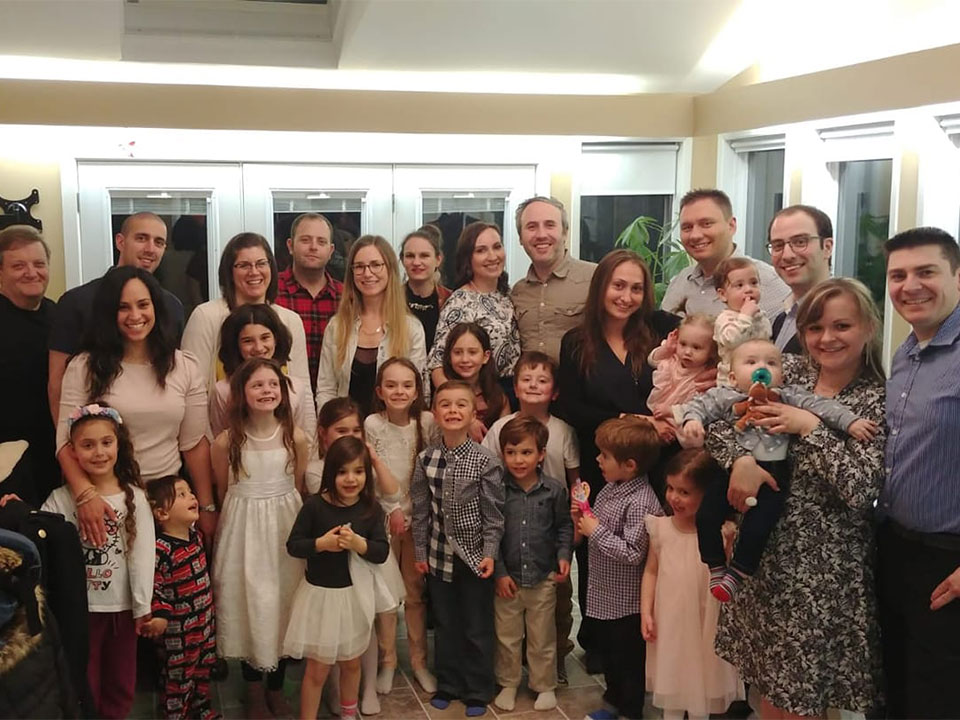
In 2008, the congregation created a steering committee to look at inviting new Jewish immigrants from Israel to Saint John. A proposal was made to the Growth Secretariat of the Province of New Brunswick and this led to government support through the Provincial Nominee Program to bring skilled workers to Saint John and to grow the Jewish community. The families who have settled in Saint John have brought expertise in many professional fields, including information technology, education, engineering, law and the arts. They have bought homes, enrolled their children in schools, found employment and are now assisting other newcomers. More than forty new families have rejuvenated the community with monthly events to bring all of the community together. 

To learn more about the Saint John Jewish families, go to the Saint John Jewish Family Tree