

Acts of Courage

Jewish Solidarity and Rescue During the Holocaust

The Jews in the Holocaust found themselves facing unprecedented situations. In view of the violence, terror and systematic destruction perpetrated by the German Nazis, many Jews felt they had been abandoned to their fate by the people among whom they had lived for hundreds of years.

In many cases, the local populations chose to turn a blind eye, and were indifferent to the desperate state of the Jews; in some cases, they even collaborated with the murderers. Only very few of them chose to offer aid to the persecuted Jews.

The Jews were faced with extreme situations, which tested their Jewish and human principles of solidarity. Despite this, there are a multitude of cases across the board of acts of solidarity and mutual aid. This help was nothing short of essential to the survival of a particular individual.

In this context, a fair number of Jews chose to act to save other Jews, under a very real threat to their lives. These rescuers demonstrated tremendous resourcefulness, adhering to their missions with endless devotion. These rescue operations often involved terrible personal and moral dilemmas. A unique aspect of this phenomenon lay in the persecuted victims’ ability to identify the threat facing them and, despite their basic survival instinct, find within themselves the moral courage to step up and engage in the rescue of other persecuted Jews.

This exhibition presents stories of Jewish rescue from the years 1938-1945 from all over Europe. In these accounts, the rescues were planned to help as many Jews as possible. They are also characterized by the absence of any personal or familial relationship between the rescuers and the people whose lives they saved.

The ability of these Jews to act and save others was affected by different factors, including geographical circumstances, the willingness of the local population to help Jews, and the nature of the administration imposed by the Germans in the places they occupied.

The rescue methods were diverse, and included establishing welfare organizations, finding hiding places, procuring and issuing forged documents, creating jobs for “essential” workers, smuggling people across borders, encouraging people to escape, calling upon the non- Jewish population to help rescue Jews, disseminating information about the mass murders and operations to escape the camps. These rescue efforts were in many cases made possible thanks to cooperation with non- Jews, and helped save the lives of many Jews during the Holocaust.

The Saving of Miriam

The drawing depicts a rescue effort involving the participation of three members of the Dutch underground: Hein Korpershoek, Wibo Florissen and Ans van Dam (Anna Chana Rosa Drukker). In 1943, van Dam was involved in moving Jewish children to hiding places. On 30 November 1943, she asked Korpershoek to help smuggle out a Jewish girl named Miriam Dasberg, who was about to be deported to the camps. Disguised as members of the Dutch Order Service, Korpershoek and Florissen removed Dasberg from the guesthouse in which she was staying and transferred her to van Dam, who found her a hiding place. Two weeks later, van Dam was arrested and deported to Auschwitz- Birkenau; from there she was taken to Kaufering, and then finally to Mühldorf.

Van Dam survived, and after the war she worked to reunite Jewish children with their families.
In 1987, Korpershoek and Florissen were recognized by Yad Vashem as Righteous Among the Nations.

Yad Vashem Collections
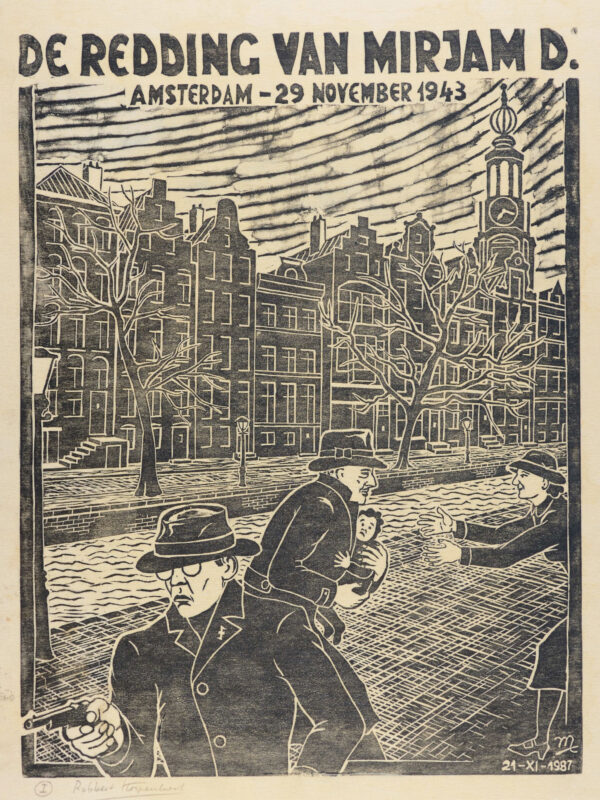
The Saving of Miriam, Hein Robert Korpershoek, 1987
GETTING JEWS OUT OF THE REICH TERRITORY
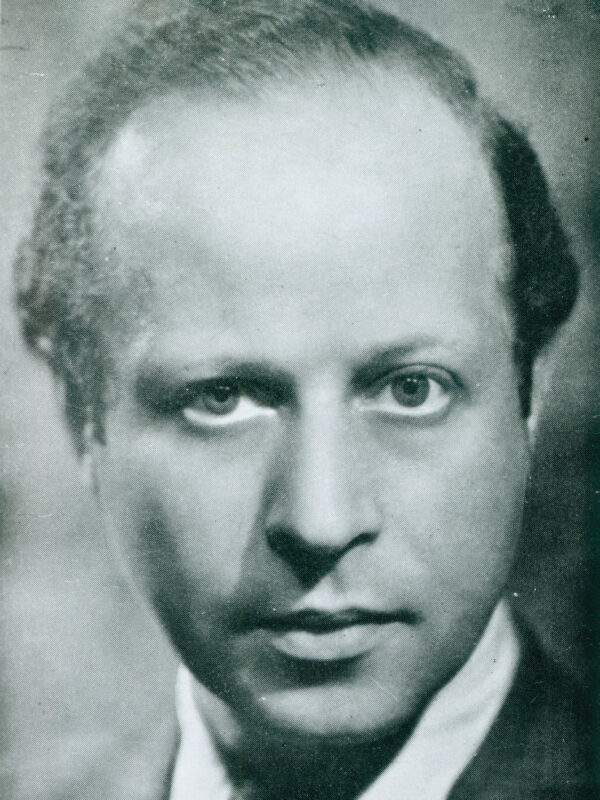
"The struggle to reach out and touch the world is my particular burden in life.” Wilfrid Israel

When the Nazis rose to power, Wilfrid Israel, who was born to a well-connected and affluent family in Berlin, realized that the Jews no longer had a future in Germany. He decided to do what he could to encourage Jewish emigration from Germany. In 1933, he and Recha Freier managed to get the first group of young people out of Germany to the Land of Israel (British Mandatory Palestine), a project that would later become the “Youth Aliya” organization.

Wilfrid Israel 1899-1943
RESCUERS UNDER A FALSE IDENTITY
"Arnold and I didn’t think we had any other alternative – you never need a reason to do the right thing.”
"I thought that at a time when all the Jews were being destroyed, heroism was needed, but that it was even more important to save lives, Jewish lives. I believed that live people were preferable to dead heroes!”
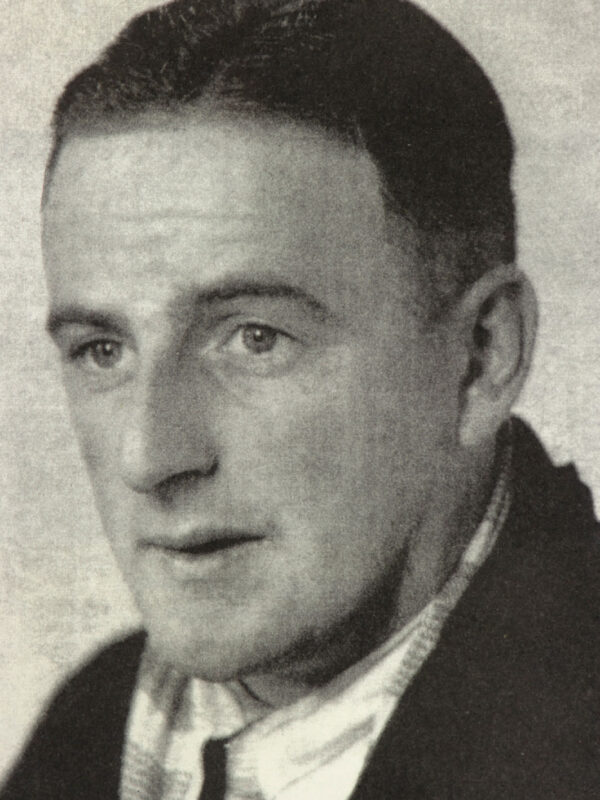
Max Léons, the Netherlands, during WWII Private collection, Léons family
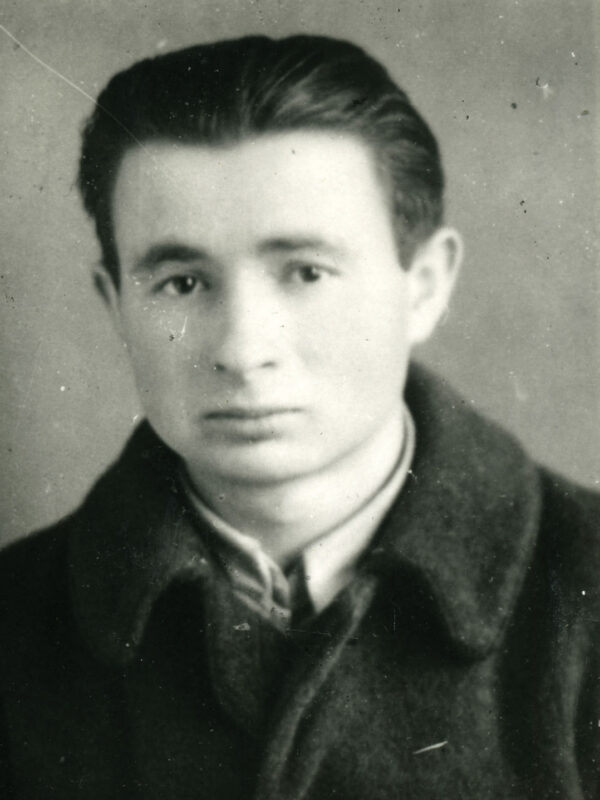
Shmuel (Oswald) Rufeisen, Vilna, 1944 after the liberation of the city Ghetto Fighters' House Museum, Israel \ Photo Archive

Żegota was a Polish underground organization made up of representatives of Polish and Jewish movements active from December 1942 until January 1945. The organization’s main activities were providing false documents for Jews under its protection, as well as hiding places, food and financial support for Jews in hiding. The members of the organization risked their lives and helped save some 4,000 Jews.

RESCUING CHILDREN

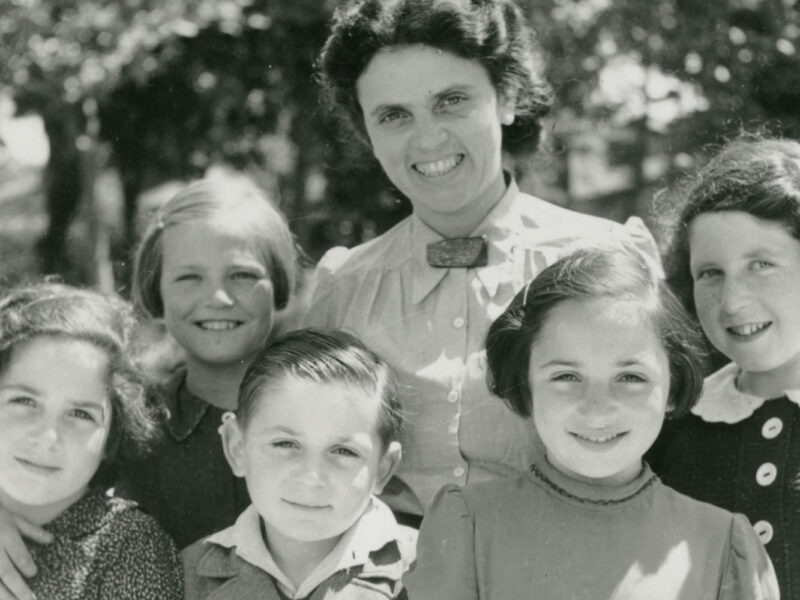
Transports began to leave northern France for the Auschwitz-Birkenau extermination camp in March 1942. In the summer of 1942, as the deportations began spreading to the southern parts of France (Vichy), Jewish organizations and underground groups began to formulate comprehensive plans to save Jews. One of these organizations was the OSE (Œuvre de secours aux enfants – Children’s Aid Society), which rescued Jewish children. Its activities focused on rescuing children from detention camps, operating care centers and children’s houses, finding hiding places, and smuggling out children who were in danger of being deported.

Andrée Salomon 1908-1985
United States Holocaust Memorial Museum, Courtesy of Vivette Herman Samuel

Andrée Salomon with a group of children for whom the OSE managed to get visas to the United States, Marseilles, 1941.
The children had been placed in OSE children’s homes. They left France in May to July 1942. 

Andrée Salomon 1908-1985
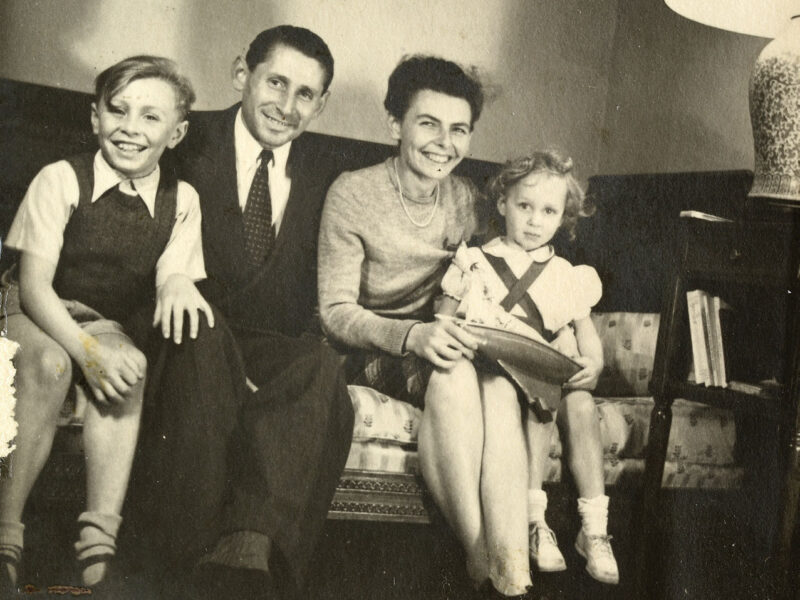
Georges Loinger 1910-2018
Georges Loinger with his wife and children, 1945 Yad Vashem Collections, Courtesy of Charles Loinger

In April 1943, the OSE, with the help of the Jewish Scouts and Zionist youth movements, began to smuggle children up to the age of fifteen from France to Switzerland. Loinger, together with Mayor of Annemasse Jean Deffaugt, planned the escape route.

Josef-Yoshko Itai-Indig 1917-1998
I will keep the promise I made to Recha: They will all get to the Land of Israel.” Yoshko Indig

Recha Freier conceived the “Youth Aliya” project to send persecuted Jewish youth from Germany – and later from all of Europe – to the Land of Israel, where they were placed in an educational institutions and given vocational training. By the time WWII broke out, about 5,000 girls and boys had been sent to the Land of Israel by the Youth Aliya project, and a few thousand more immigrated during the war itself.

Italy, September 1943 Ghetto Fighters' House Museum, Israel \ Photo Archive
Josef-Yoshko Itai-Indig 1917-1998
RESCUE NETWORKS

Nazi Germany invaded Belgium on 10 May 1940. Belgium surrendered in less than three weeks, and a military government was installed to administer the country. In the early spring of 1942, Hertz Ghert Jospa initiated talks between the Jewish communists and the Po’alei Zion movement in order to form a joint Jewish rescue organization, the Comité de Défense des Juifs (Jewish Defense Committee, CDJ), under the auspices of the Front de l’Indépendance, the national Belgian umbrella organization of the communist underground. Following the first wave of deportations, the CDJ began its activities on 15 September 1942, which, among many things included fundraising, the distribution of false documents and, most importantly, the hiding of Jews.

"If the association sends you a summons, refuse to show up.” - Abusz Werber
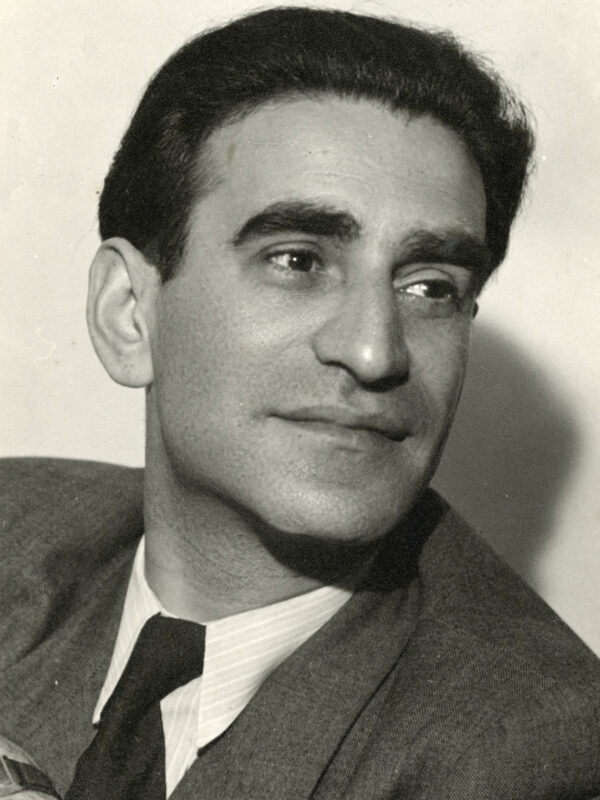
Abusz Werber, Brussels, 1945-1946
United States Holocaust Memorial Museum, Courtesy of Moshe Werber
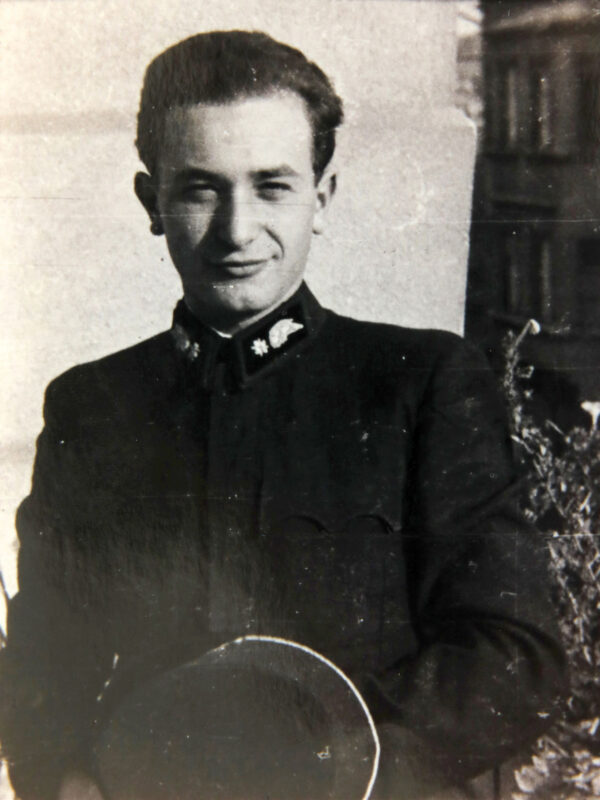
Efraim (Efra) Teichman in the uniform of a Hungarian railroad officer, Budapest, May-November 1944
Efraim Teichman 1922-2010
The Society for the Research of the History of the Zionist Youth Movement in Hungary
FIGHTER RESCUERS
The Bielski brothers

In late 1941, the Germans massacred the Jews in the Nowogródek region (today Belarus), including much of the family of the brothers Tuvia, Asael, Alexander and Aron Bielski. In the spring of 1942, the brothers decided to flee to the nearby Naliboki forests to try to save family members who were still alive.

“For what is our goal here, to save only our own skins? As long as it is possible to save even one more Jew from the claws of the Nazis, we will be there.” Tuvia Bielski

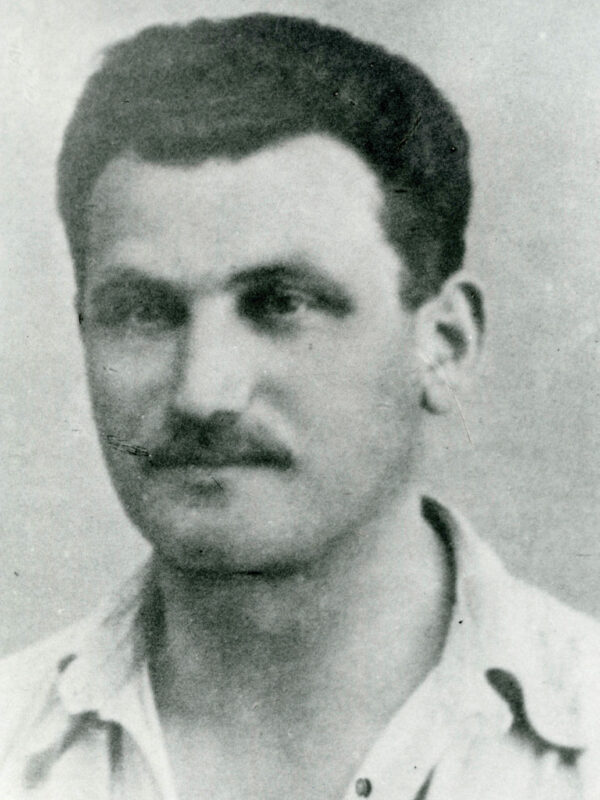
Tuvia Bielski – 1906-1987
Yad Vashem Collections
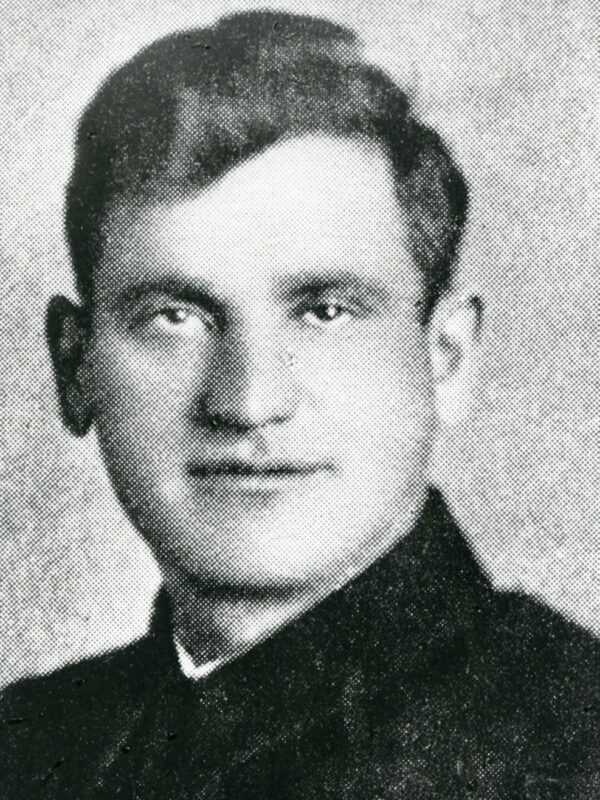
Asael Bielski – 1908-1945
Yad Vashem Collections
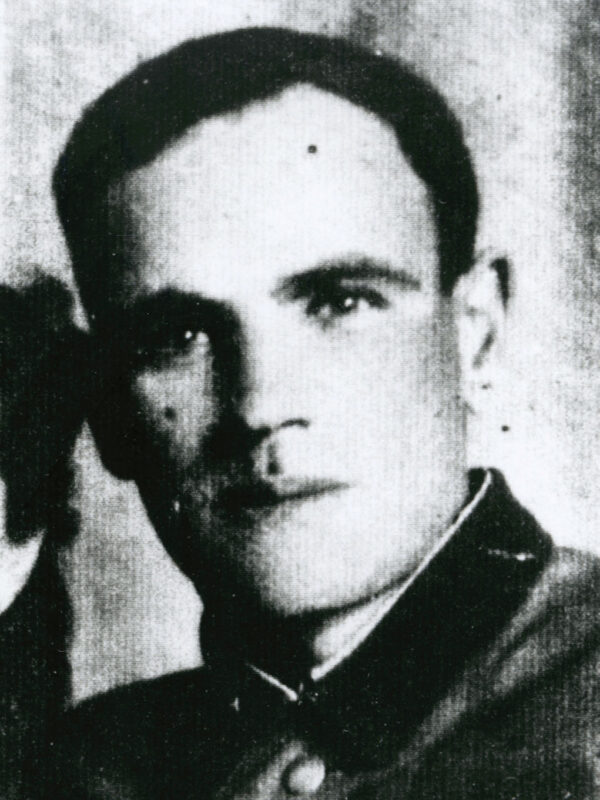
Alexander “Zus” Bielski – 1912-1986
Courtesy of Sonia Bielsk
RESCUERS IN THE CAMPS
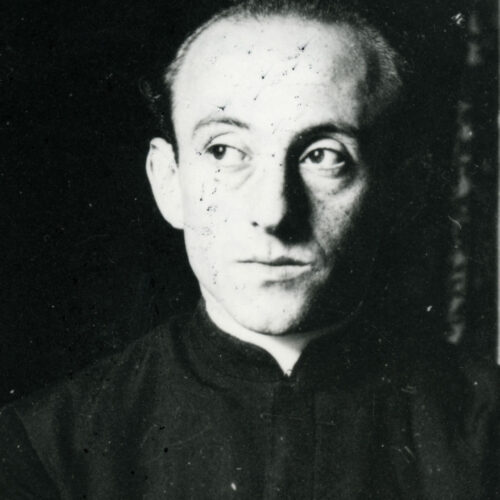
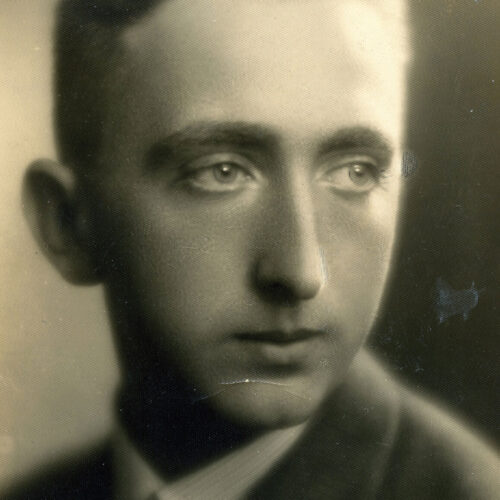
Jacob (Jack) Werber 1914-2006

The Buchenwald concentration camp was established in Germany in 1937. In the eight years of its existence, some 240,000 prisoners of different nationalities, including Jews, were incarcerated there. During the final stages of the war, control over the daily proceedings in the camp was handed over to the political prisoners. This not only made the living conditions in the camp more tolerable, but also made it possible to carry out a widescale rescue operation inside the camp.

We safeguarded the children until the last minute… The initiative was ours, and everything that was done was our responsibility.
If something had happened, we, a group of Polish Jews working in the underground, would have paid the price with our lives.”

Courtesy of David and Martin Werber, New York, USA
Jacob (Jack) Werber, Radom, Poland, 20 January 1934